Laodicea: Neither Hot Nor Cold: The Real Story Behind the Ancient Biblical City
Born from a king’s love for his queen in the fertile valleys of ancient Anatolia, Laodicea rose to become one of the wealthiest cities of the Roman Empire so prosperous it refused imperial aid after a devastating earthquake. This is the remarkable story of the Biblical city that was “neither hot nor cold,” where early Christians gathered and ancient theaters now echo with modern concerts.
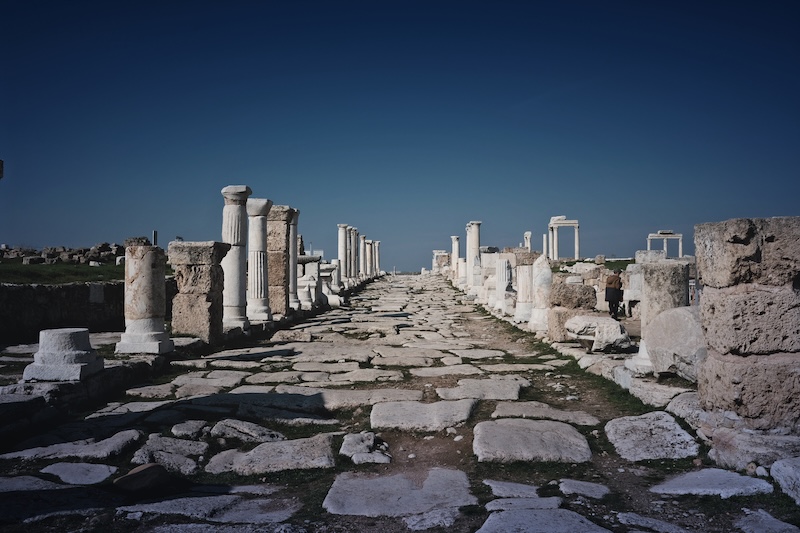
Just 6 kilometers from Denizli, on the fertile lands of the Çürüksu Valley, lies the ancient city of Laodicea, home to one of history’s most romantic tales of city foundation. The story of this city’s establishment is like a king’s love for his wife carved into stone and earth.
A City Born from Love
This city was reportedly founded in the 3rd century BC by Antiochus II Theos of the Seleucid dynasty as a tribute to his wife Laodice. The city took its name from this beautiful queen. When you consider that the name Laodice means “justice to the people,” it’s quite meaningful that the city’s name combined both beauty and justice.
Geographic Location and Strategic Importance
Laodicea’s location was extremely strategic in ancient times. Built on the main trade route between Izmir and Konya, in
the Menderes river basin, the city occupied a critical point for access to both Ephesus and inner Anatolia. This
position contributed to the city’s rapid growth and prosperity.
Looking at other important cities in the area, Laodicea’s powerful position becomes even more apparent. Hierapolis (
Pamukkale) was just 17 kilometers to the north, while Colossae was about 20 kilometers to the east. These three cities
formed a triangle in the region, becoming important centers that complemented each other.
Economic Wealth and Trade
Laodicea reached incredible wealth, especially during the Roman period. Several important factors formed the foundation
of this prosperity. First, agriculture flourished thanks to the surrounding fertile lands. Grape and wheat production
were particularly significant.
However, the city’s real fame came from its textile industry. Laodicea was especially known for its black wool
production. This black wool was used in luxury textile products of the time and sold throughout the Roman Empire.
Additionally, a very high-quality eye medicine was produced in the region.
The city’s wealth grew so much that after the great earthquake of 60 AD, when Rome offered assistance, the people of
Laodicea declined, saying “We can rebuild ourselves.” This incident remains one of the most striking examples of the
city’s economic power.
Its Place in Early Christianity
Laodicea held a quite important position in early Christian history. One of the seven churches mentioned in Saint Paul’s
letters was located here. In Paul’s letter to the Colossians, it’s evident that he sent greetings to the Laodicean
church and cared for the Christians there.
However, the city’s most well-known place in Christian history is being one of the seven churches mentioned in John’s
Book of Revelation. In the Book of Revelation, the Laodicean church was criticized for being “neither cold nor hot,” and
this phrase has become a common expression used even today.
Architecture and Remains
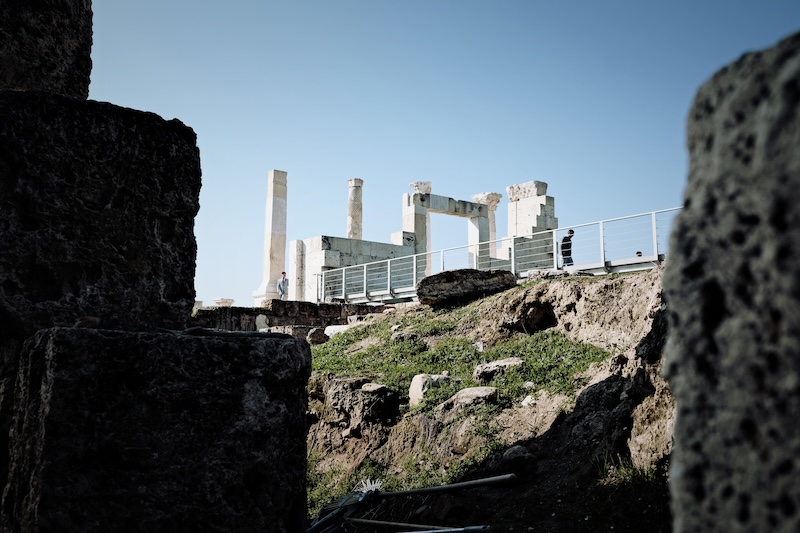
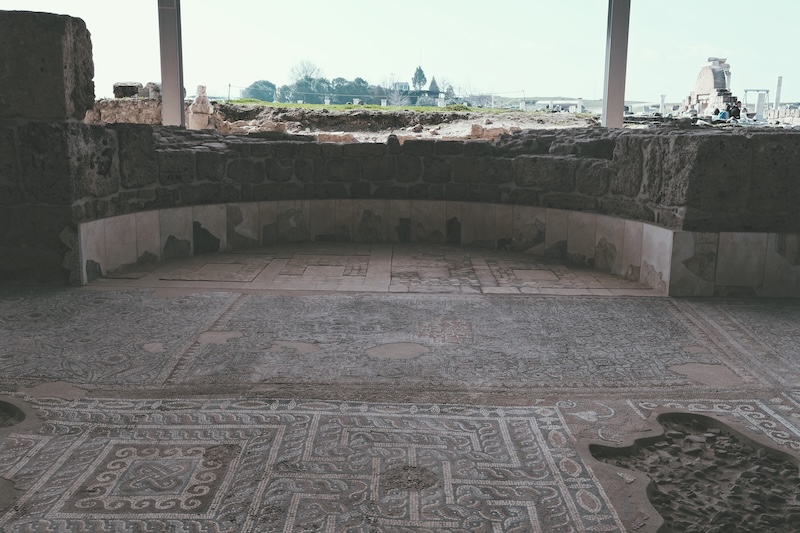
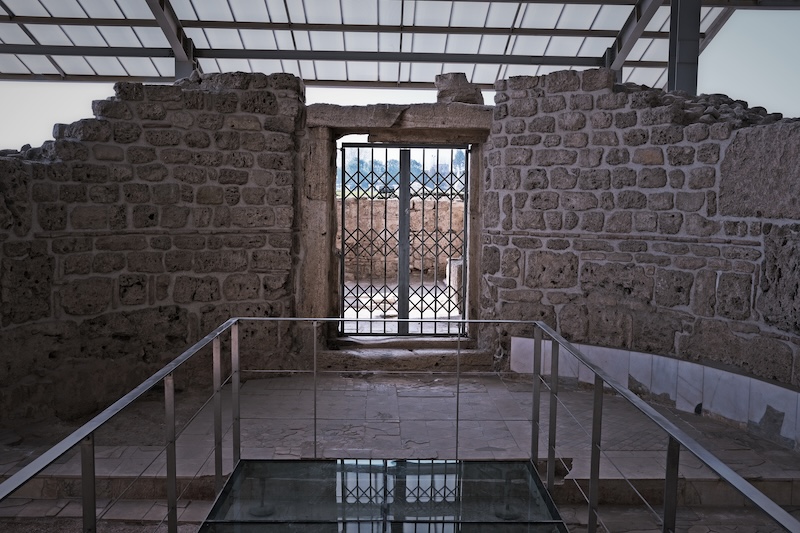
When you visit today, you can still see the ancient grandeur of the city. A stadium for 25,000 people, two theaters,
numerous churches, and bath ruins show how developed the city was. The Water Tower (Nymphaeum) and main street (
Decumanus Maximus) are particularly impressive.
One of the city’s most remarkable features was its water system. Laodicea brought its water from springs around Denizli
through aqueducts (pipes). This system demonstrates how advanced ancient engineering was.
Present Day Status
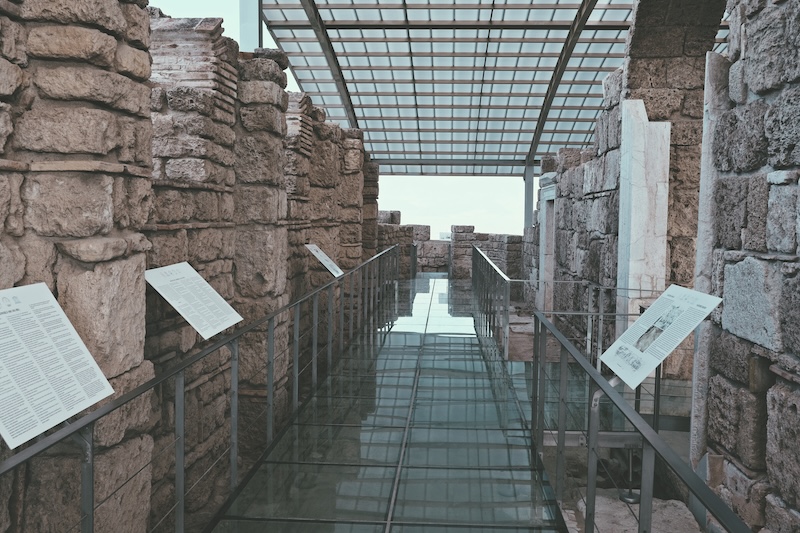
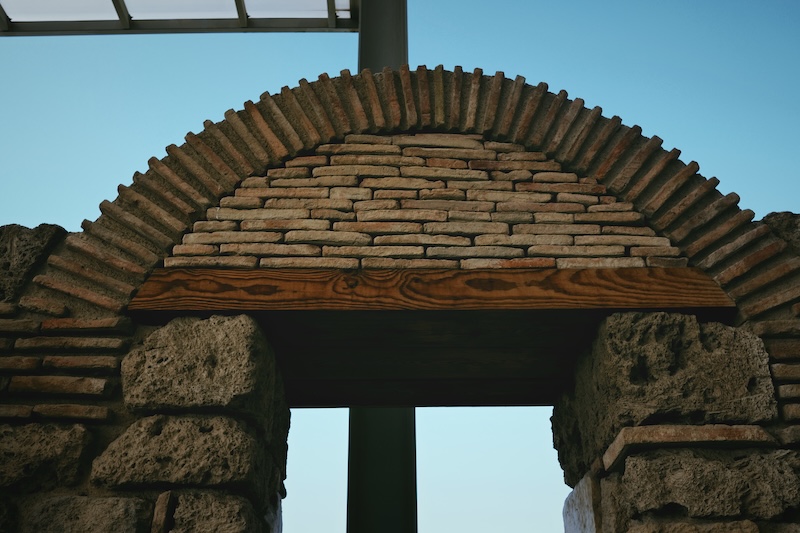
Today, Laodicea is on UNESCO’s World Heritage Tentative List, and ongoing archaeological excavations continue. It has
become an alternative stop for tourists visiting Pamukkale. Especially with recent restoration work, the city’s ancient
fabric has become more visible.
One of the most interesting developments in recent years has been the concerts held in the city’s western theater. The
municipality organizes these concerts completely free of charge, breathing new life into the ancient stones. There was
even a planned concert by a Russian military ensemble recently, though it was cancelled due to rain. While the quality
of the audience might be debatable given the free admission, it’s clearly a positive development for keeping the city
alive and promoting it to wider audiences.
Its proximity to Denizli center makes it easily accessible, which is a great advantage for those wanting to explore this
historical treasure. This city, once gifted by a king to his wife, now opens the doors of its history to all humanity.
GeoMagnet Project:
If you know my GeoMagnet project and want to download the STL file,
you can use the link below.
Download Laodicea STL Files